The Best Wedding Venues in Ottawa
Grand hotels, working farms and a Cold War bunker — how Ottawa's wedding venues actually behave on the day, from the people photographing them.
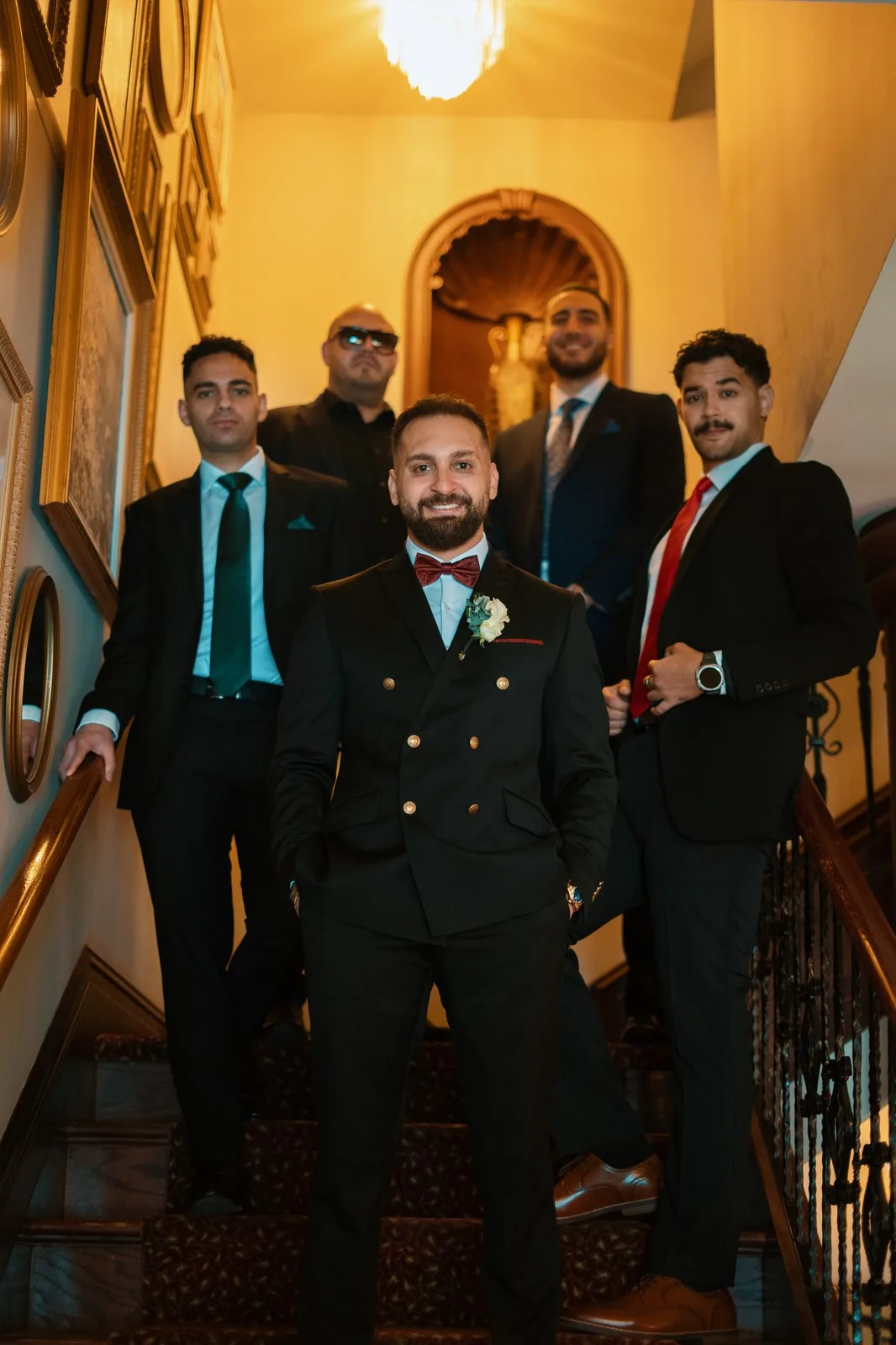
Grand hotels, working farms and a Cold War bunker — how Ottawa's wedding venues actually behave on the day, from the people photographing them.
Ottawa has an unusually good spread of wedding venues for a city its size — grand hotels, working farms, a decommissioned Cold War bunker, and a river that photographs beautifully in every season. We have filmed across most of them. Here is how they actually behave on a wedding day, from the perspective of the people photographing it.
The most recognisable building in the city, and it earns the reputation. Stone corridors, the Adam Room, and Major's Hill Park directly behind it for portraits with Parliament in frame. It is a dark interior, so ask any photographer how they light it — this is a venue where equipment and experience genuinely matter.
A four-storey Cold War bunker in Carp, and unlike anything else in the region. Entirely artificial light, tight corridors, and an aesthetic that suits couples who want something with edge rather than romance. Confirm access timings early; it operates as a museum.
Across the river in Gatineau, with the Grand Hall's wall of glass facing the Ottawa skyline. The light in that room in the late afternoon is among the best in the region.
One of the city's largest, and the default for guest counts above 200. Modern, flexible, and used heavily for South Asian and Middle Eastern celebrations. It sits near the airport, which matters if you want drone footage — airspace clearance has to be confirmed in advance.
Ottawa's established cultural banquet halls, each attached to a community that has been celebrating in them for decades. If you are planning an Italian, Lebanese or Greek wedding, the staff at these rooms have run your ceremony hundreds of times and that experience is worth a great deal.
Large, central and straightforward, with ample parking — an underrated practical consideration when you have 250 guests arriving at once.
Purpose-built for weddings in Greely, with gardens, a pond and covered options if the weather turns. One of the easier venues to plan around because it was designed for exactly this.
Genuine rural settings east and south of the city. Beautiful in autumn, and the drive is part of the day. Budget more travel time than the map suggests, and confirm what happens to the timeline if it rains.
Newer additions with strong outdoor ceremony settings and good golden-hour light. Both suit couples who want the day to feel like a long dinner with people they like.
Rolling greens, long sightlines and reliable sunset portraits. Golf clubs generally offer the best value per guest in this market.
Many Ottawa couples split the day between a ceremony venue and a reception venue. The Experimental Farm and the Arboretum are the city's most-used portrait locations for good reason. Major's Hill Park, Parliament Hill and the Rideau Canal all photograph well and are close enough to the downtown hotels to fit a tight timeline. Andrew Haydon Park works beautifully at sunset if your reception is in the west end.
The practical question nobody asks on a venue tour. How far apart are your ceremony, portraits and reception — and how long does that drive actually take on a Saturday in June? Travel is the single most common reason wedding timelines slip, and every minute in a car is a minute not being photographed.
A single-site venue where ceremony, portraits and reception all happen in one place can often be covered in eight hours. A day that runs from two getting-ready locations to a church, then to a portrait location, then to a reception hall, realistically needs ten to twelve — the travel alone consumes ninety minutes.
Because we bill hourly at $250, that difference is transparent: you are paying for the day you actually have. Tell us the venues and we will tell you honestly how many hours it needs, which is usually fewer than couples expect.
Let's Work Together
Tell us about your event and we'll help you figure out the right coverage — no pressure, just a conversation.

We'll reach out within 24 hours to discuss your vision and availability.
We'll be in touch within 24 hours to discuss your date and everything we can do for you.